



Why the UK Government Isn’t Banning Gambling Ads on the TfL


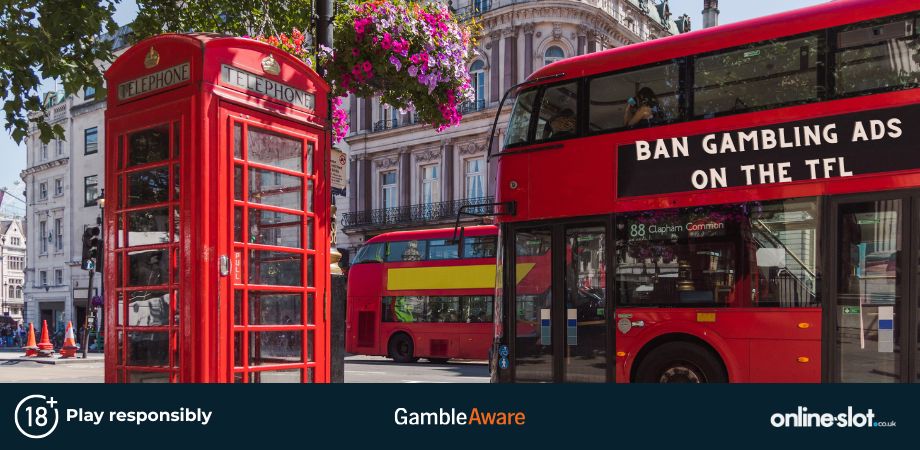
You see gambling ads everywhere—on public transportation, at the bus stop, during sports matches. They promise big wins and easy fun.
But here’s the problem: According to The Annual GB Treatment and Support Survey 2022, carried out by YouGov on behalf of the charity GambleAware, London’s official gambling harm rate is nearly double the national average. And yet, attempts to ban these betting adverts on the TfL are stalled.
The reason isn’t political fighting over money. It’s because the government hasn’t answered one crucial question: What is “harmful gambling,” anyway?
The Adverts Are Built to Hook You
For those trying to cut back on gambling and online casinos, seeing a flashy ad for a slot game on the platform isn’t just advertising; it’s a trigger. These companies spend a fortune on marketing that’s scientifically designed to push your buttons:
- They don’t show people losing—only winning
- They use urgent language and bright visuals to create an instant emotional rush
- For people trying to cut back, being trapped next to a giant ad for 20 minutes can completely ruin their effort
This is exactly why London wants a ban. It’s about protecting commuters and making public spaces safe environments, not addiction-trigger zones.
If Fast Food Is Out, Why Is Betting Still In?
Several years ago, the city successfully banned ads for junk food across the entire TfL network. So, why could they ban the Big Mac ads but not the betting ads?
That’s because the government had already provided clear health guidance and legal definitions related to obesity for the fast food ban to work. That legal framework gave the Mayor the power to act. Additionally, a study later published in PLOS Medicine confirmed the ban led to households buying thousands fewer calories of unhealthy food each week.
The gambling ban needs the same simple legal guidance to be valid. Here, the stakes are arguably higher than the stakes of eating a cheeseburger, yet the guidance is still missing.
Where Does the “Fun” Stop and the “Harm” Start?
The big delay is caused by the efforts to find the line between a fun hobby and a serious problem. After all, gambling is a spectrum; it can go from low-risk lottery tickets and occasional casino slots online to problem gambling.
The law currently struggles to define exactly when an advertisement crosses the line from promoting a “low-risk hobby” to aggressively pushing “harmful behavior.”
London needs a legal definition that recognizes all the ways gambling can hurt people, not just the extreme cases. Experts already have simple, clinical ways to measure this risk. These include checking whether your gambling is causing financial, health, or relationship problems.
The Ban Is Not About Taking Away Choice
The goal is to stop highly addictive products from aggressively advertising to a captive audience in public spaces. Most importantly, the ban would help the most vulnerable to the harmful influences.
When the city banned junk food ads on the TfL, households started buying fewer unhealthy products and saved hundreds of millions of pounds for the NHS. Changing the environment works. It’s especially beneficial for low-income families who rely on public transport the most.
The government’s continued delay in defining “harmful gambling” isn’t a neutral act. Unfortunately, it is directly linked to public health. London is waiting to act, but it’s the simple legal definition that will finally protect its commuters.

174 Articles
Jovana takes the guesswork out of online slots with honest, easy-to-read reviews. By simplifying complex features, she helps everyone from total beginners to high rollers discover their next favourite game through insights they can actually trust.
