



The UK Gambling Tax Shock: From Debate to Reality


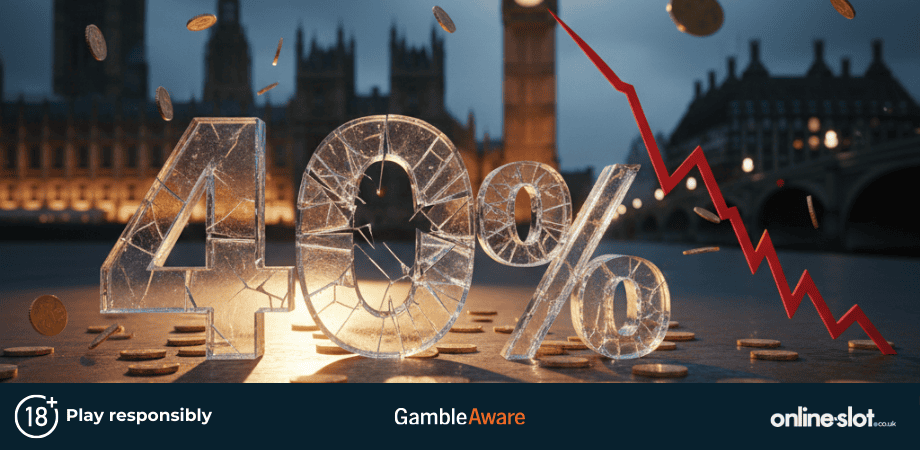
The gambling tax debate is over—and the outcome is worse than most expected. The UK Budget confirmed a sharp rise in gambling taxes, and the industry called it a “black day.”
We previously covered the debate around fairness and affordability, questioning how far the government would go. That discussion is now settled. The answer is a 40% Remote Gaming Duty—far higher than forecasts.
In this article, we explain what changed, why the numbers are disputed, and what this means for players using UK-licensed sites.
The Budget Bombshell
The Budget delivered an unapologetic verdict: running online gambling sites in the UK is now going to cost an awful lot more.
From April 2026, Remote Gaming Duty is going to jump from 21% to 40%. This is online slots and casino games we’re talking about. General Betting Duty will go up from 15% to 25% from April 2027. Betting shops on the high street are staying put, at 15%.
The shock is not just the amount — it’s the scale. Most operators had expected a cap of 25–30%. A 40% rate puts the UK right up there with the highest-taxed gambling markets in the world. And the gap between online and land-based operators has just widened overnight.
The market reaction has been immediate, with major listed operators seeing share prices plummet by double digits. This wasn’t something that was priced in — and that tells you a lot.
Government vs. Industry: Who’s Right About the Impact?
The government says the tax rise will raise over £900 million per year. It argues that online gambling keeps growing and that large operators can absorb higher costs.
However, the industry disagrees. According to an EY report commissioned by the Betting and Gaming Council, up to 40,000 jobs could be at risk, and £8.4 billion in spend may shift to black market sites. After closures and layoffs, the government may collect closer to £500 million, not £900 million.
Moreover, the player’s behaviour is a core disagreement. The government assumes players will accept worse odds. On the other hand, the industry points to other markets where higher taxes pushed players offshore.
From our experience reviewing UK slots and markets, behaviour does change when value drops. Neither side is neutral, but evidence suggests the risk is real.
The Real-World Impact
This change will affect players directly. The impact starts with value.
- From April 2026
- Online slots will have lower RTPs
- Fewer and smaller bonuses
- Less generous promotions
- Some operators are already starting to bail — they’re leaving the UK market altogether
- From April 2027
- Tighter betting margins
- Even fewer offers and incentives
Operators are going to pass some of the tax cost on to players, which is just basic economics. When costs go up, value goes down.
The Black Market Risk
When licensed sites lose value, unlicensed sites look tempting. That is the danger.
Black market casinos offer better casino bonuses and more favourable odds because they pay no UK tax. They also offer no protection. There is no guaranteed payout, no dispute process, and no safety tools.
UKGC-licensed sites provide:
- Verified RNGs
- Self-exclusion and deposit limits
- Fair game testing
- Legal protection
Leaving the regulated market increases risk fast. We strongly advise against it.
What You Should Do as a Player
You can still play smart after the tax rise. The key change is this: value is harder to find, so every decision matters more than it used to.
Several practical steps can help you stay on the right side of the UK market and protect your play.
- Start with UKGC-licensed sites only. This is the safest foundation. Licensed operators must follow strict UK rules on fair games, player protection, and payouts. You can check a licence at the bottom of a site’s footer or directly on the Gambling Commission register. If a site avoids showing this information, that is usually a warning sign.
- Next, pay closer attention to RTPs. As taxes rise, some operators will lower RTPs on online slots to protect margins. Others will hold stronger return rates to keep players loyal. Over time, this difference affects how long your balance lasts. A quick RTP comparison now can save frustration later.
- Look beyond the headline bonus. Casino bonuses still exist, but the real value lies in the terms. Check wagering requirements, max bet limits, and excluded games. In many cases, a smaller bonus with fair rules offers more playable value than a large offer with heavy restrictions.
- You should also use player protection tools. Deposit limits and reality checks are simple but effective. When returns are lower, these tools help you control spending and support responsible gambling without taking the fun out of play.
- Finally, stay realistic and informed. Reduced value is often a tax effect, not operator trickery. Be cautious of unlicensed sites promising “better payouts” or “no UK rules.” If you come across one, report it. That step protects you and helps keep the UK market safer for everyone.
Conclusion
The debate ended with one of the highest gambling tax rates in the world. Players will feel it through lower RTPs and fewer bonuses. The key takeaway is clear: stay with licensed operators, even when offshore sites look better.
We expect market changes over the next 12–18 months. Sure enough, we will track them closely.

158 Articles

A dedicated content expert with a deep enthusiasm for online slots, Miona has been crafting compelling iGaming content since 2022. She specializes in producing high-quality content that resonates with players. While focusing on the UK market, she stays on top of industry trends and delivers insightful content that enhances the gaming experience.
